|
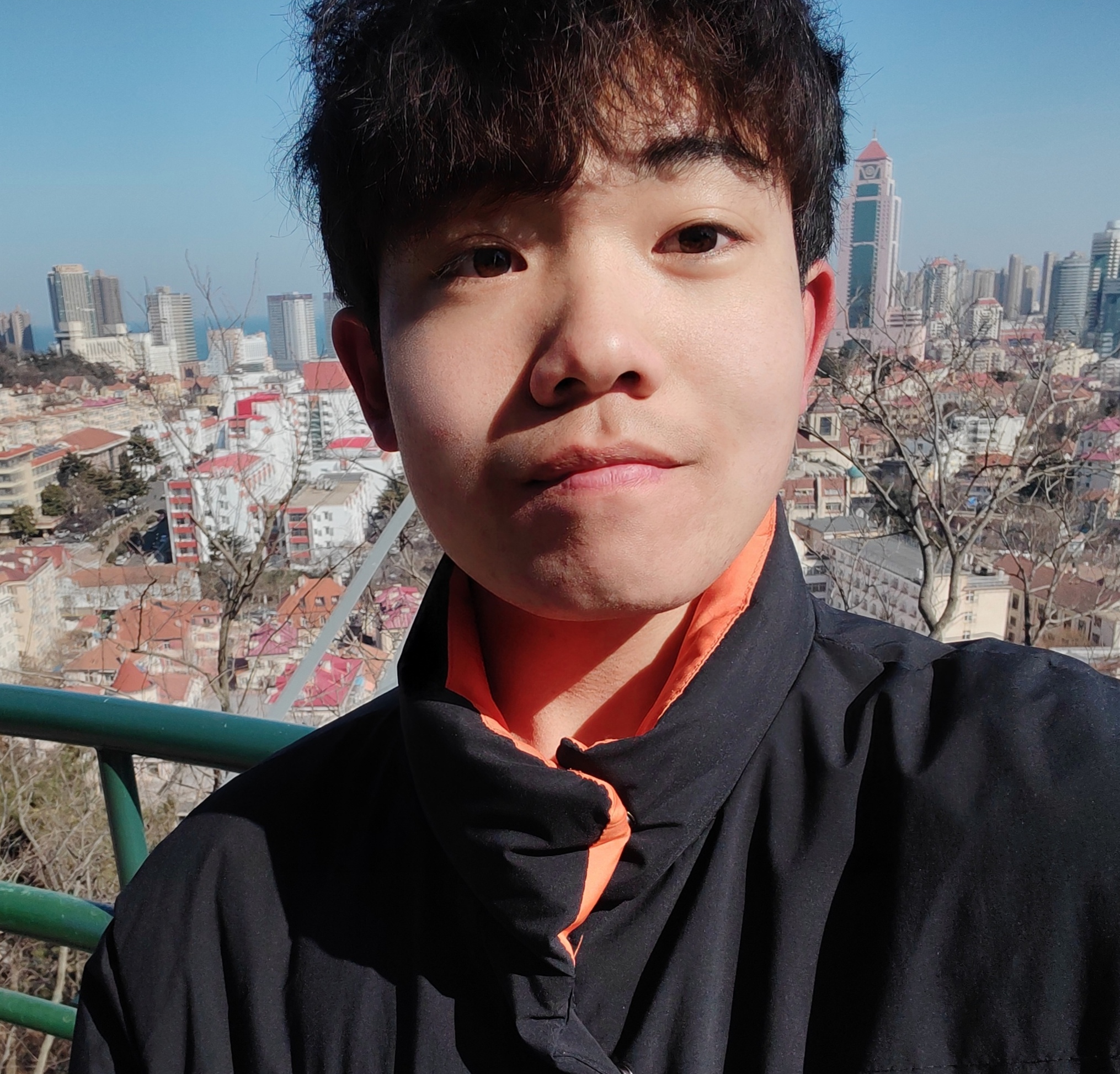
Jinghui Zhang Hello! I am Jinghui Zhang (张景辉), currently a second-year Ph.D student in NLP department at MBZUAI, fortunately advised by Prof. Xiuying Chen and co-advised by Prof. Kentaro Inui. Before that, I received my Bachelor's degree from Shandong University in 2025, advised by Prof. Pengwei Wang.
|
|
Education
|


Experience
|
ResearchI am interested in Personalization and Interpretability, and I'd be happy to discuss various topics not limited to these areas! |
Selected Publications |
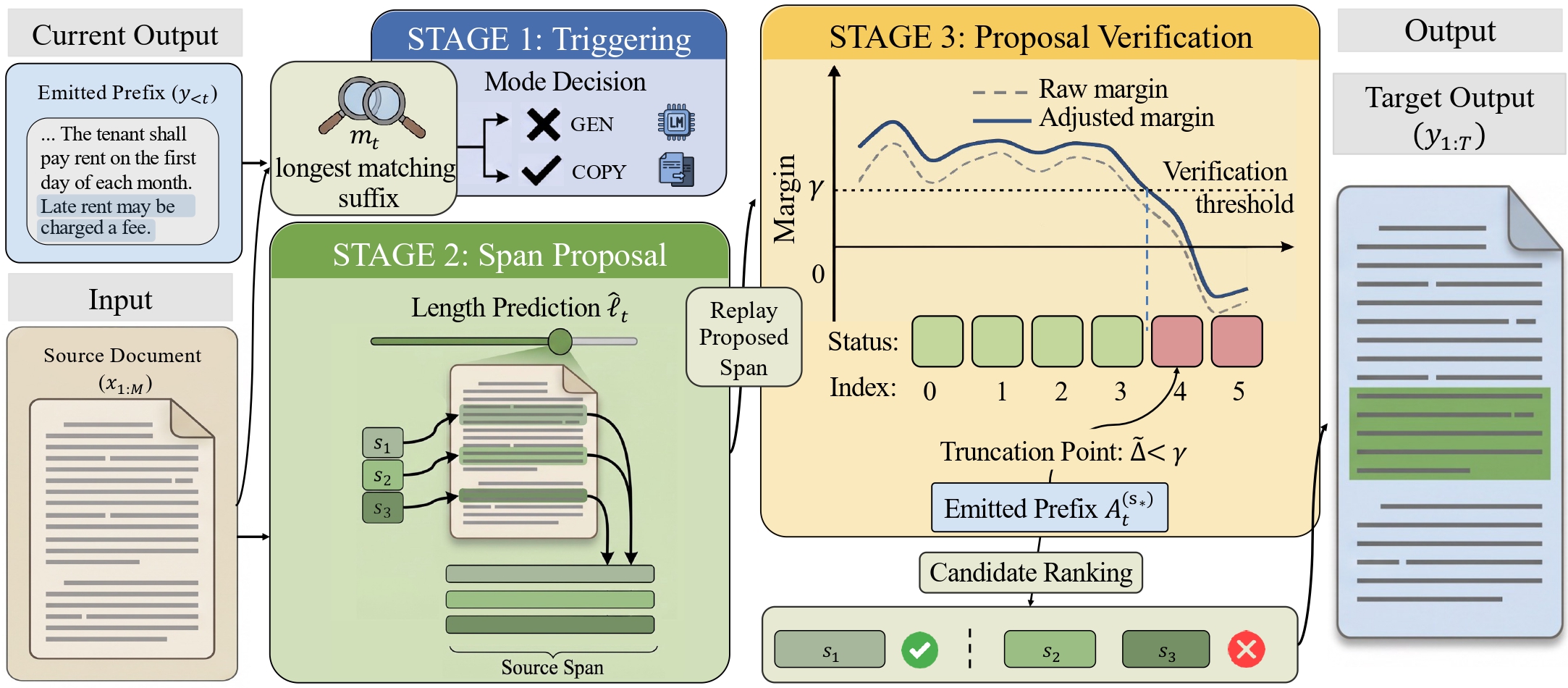
When Copying Is Hard: Copy-Constrained Decoding for Exact Span Reproduction
NeurIPS 2026
CopyGen is a lightweight decoding-time plugin that makes LLMs reproduce source spans more exactly and faster, improving average exact match by 35% relative without finetuning.
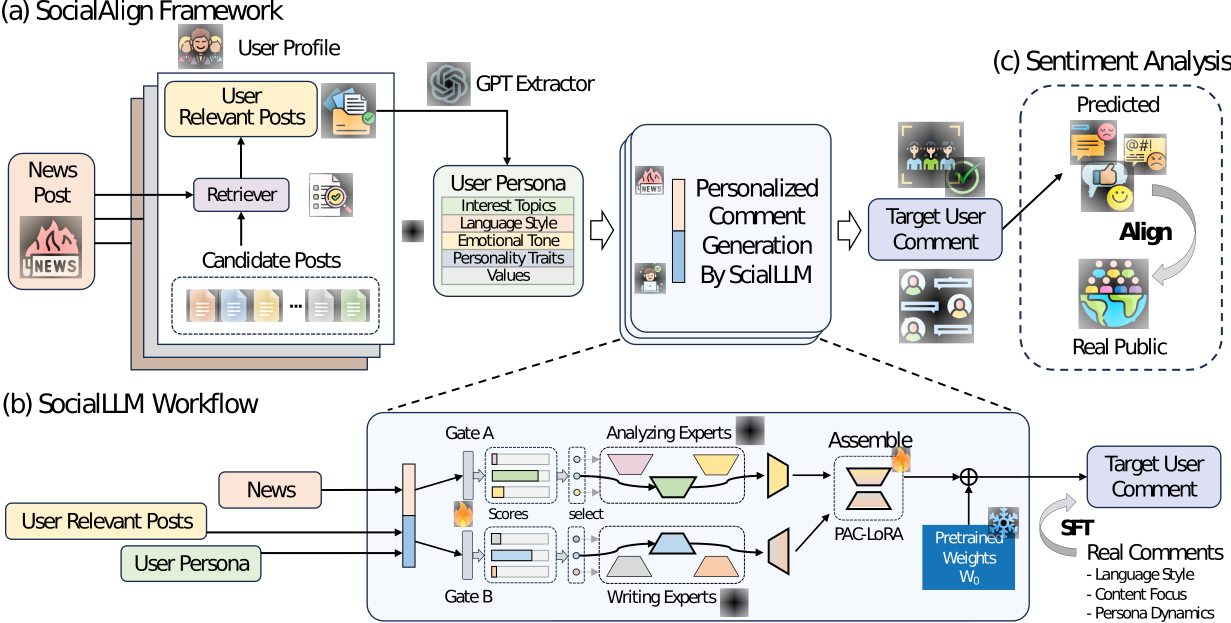
From Individuals to Crowds: Dual-Level Public Response Prediction in Social Media
ACM MM 2025
Proposed a personalized response prediction framework with PAC-LoRA, enabling user-specific comment generation while modeling crowd-level sentiment trends.
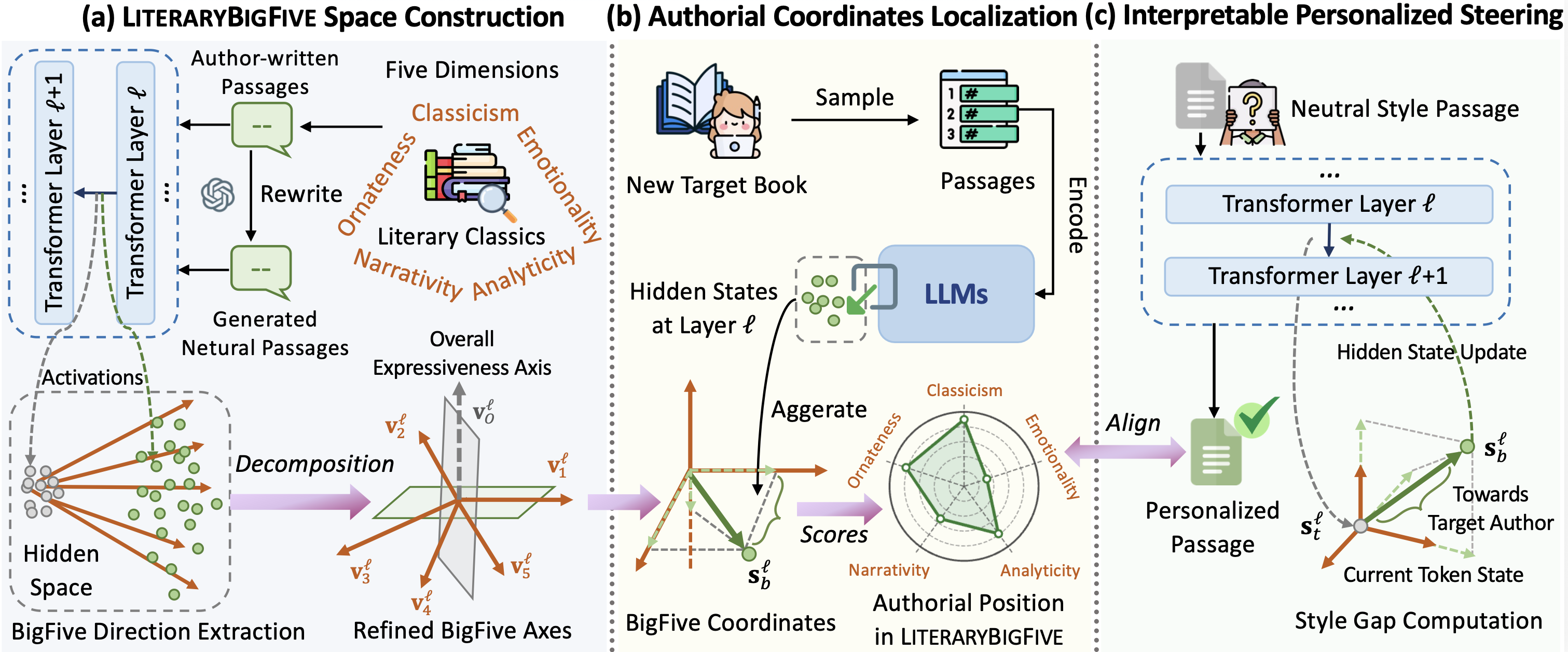
LITERARYBIGFIVE: Author-Personalized Text Generation in a Unified Interpretable Space
EMNLP 2026 Findings
We reframe different writing patterns into a unified interpretable style space, enabling personalized author-aware text generation framework via steering outputs toward target authorial characteristics.
The Cylindrical Representation Hypothesis for Language Model Steering
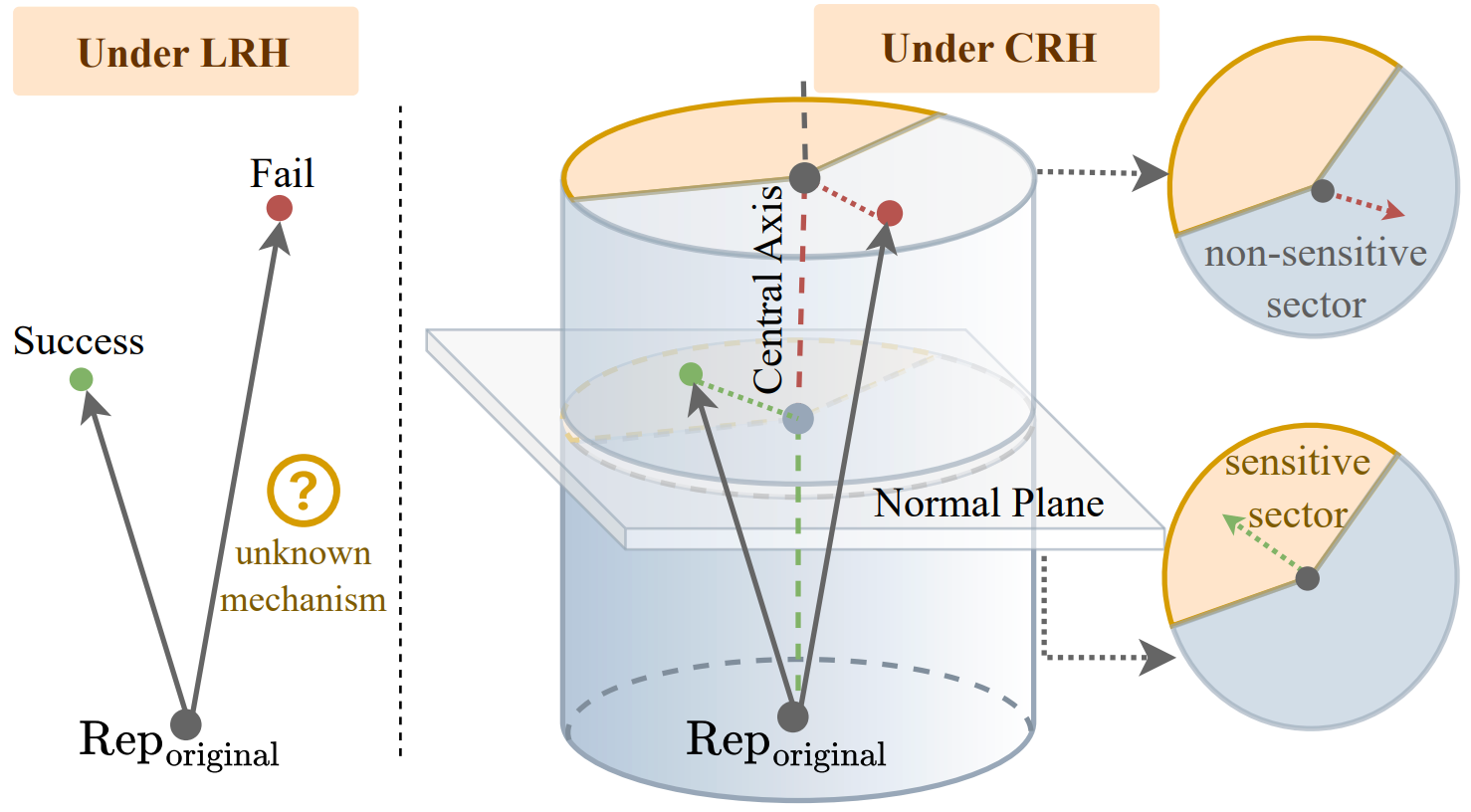
ICML 2026 [Invited Talk @ Cohere]
Introduced CRH, a cylindrical geometric model to explain instability in activation steering, and empirically verified its sample-specific structure across models, concepts, and steering methods.
M3MAD-Bench: Are Multi-Agent Debates Really Effective Across Domains and Modalities?
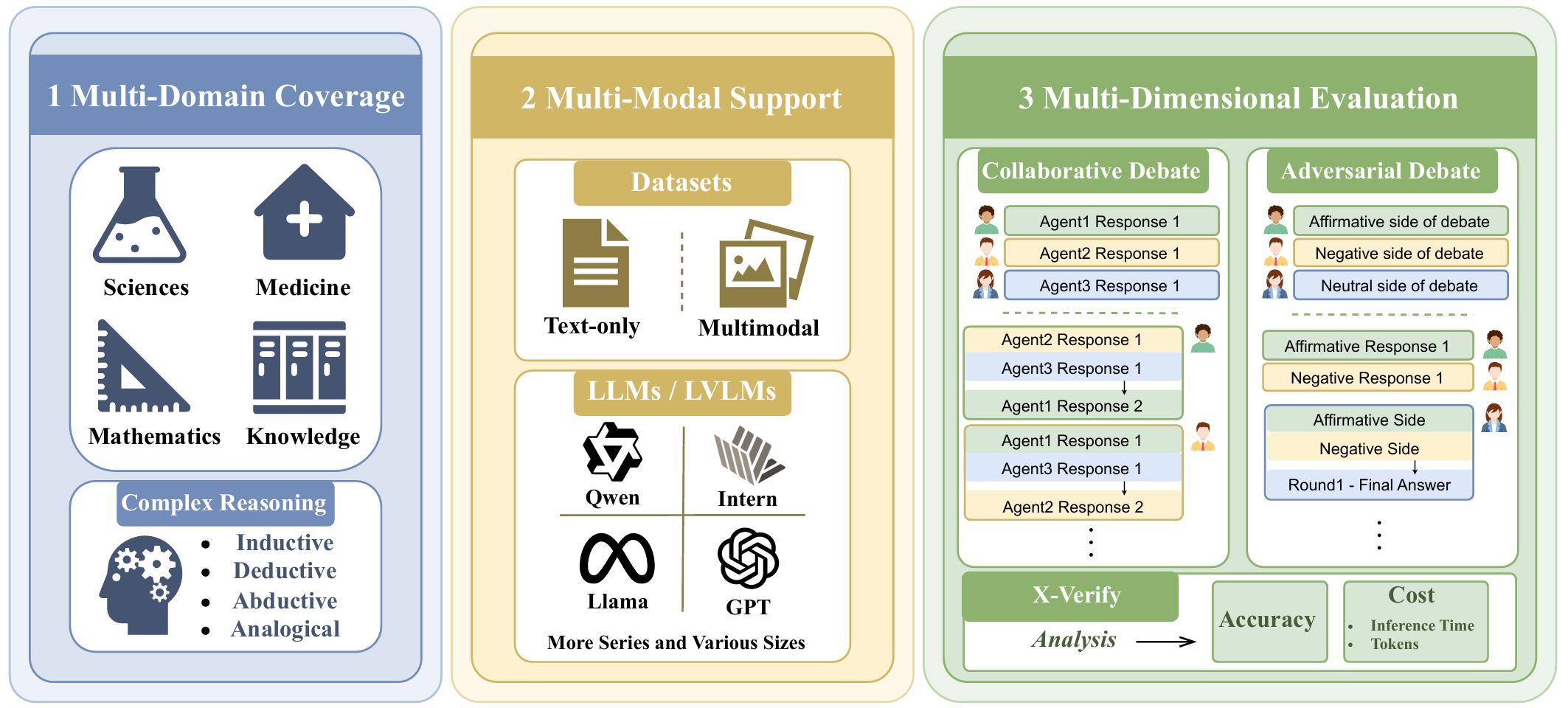
ACM MM 2026
M3MAD-Bench is a standardized multimodal benchmark for assessing multi-agent debate methods across domains, modalities, and performance-cost trade-offs.
TransPrune: Token Transition Pruning for Efficient Large Vision-Language Model
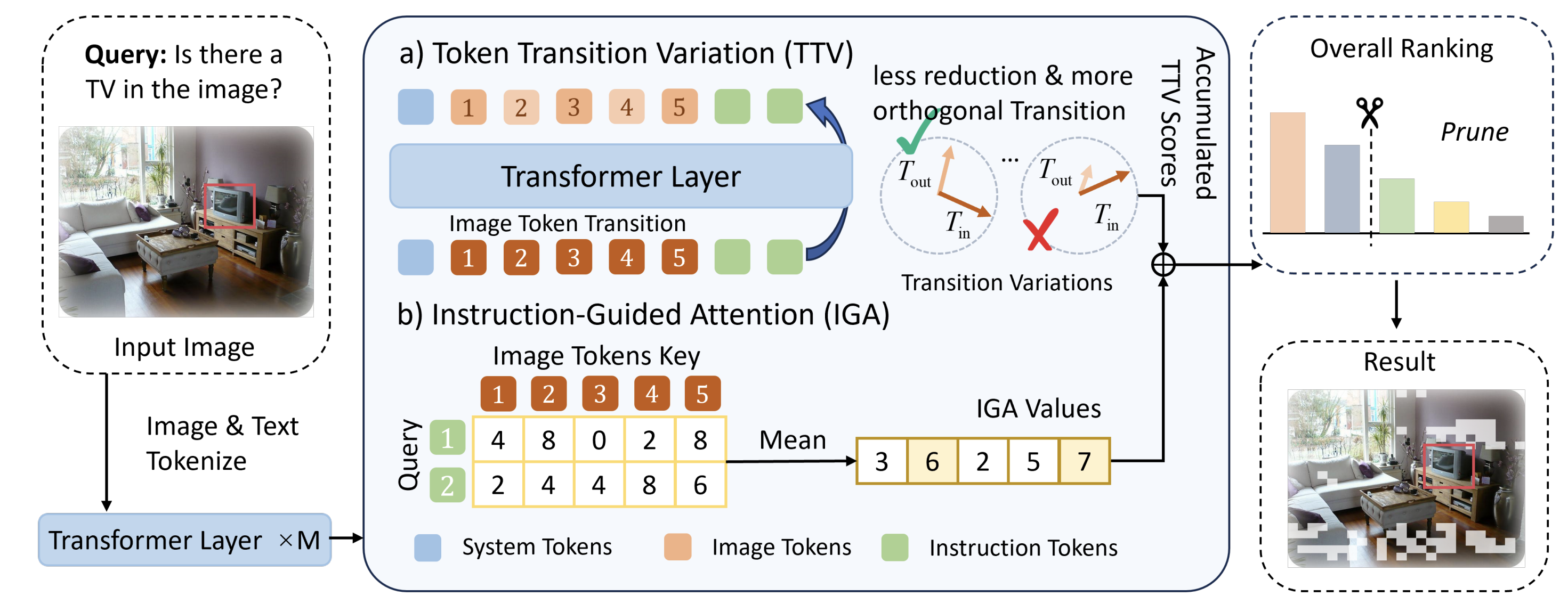
CVPR 2026
TransPrune is a training-free token pruning method that combines Token Transition Variation with instruction-guided attention to reduce LVLM inference cost by over 50% with comparable performance.
Honors & Awards
|
Service
|
Miscellanea |
| Here are some pics of places I love: my gallery. I probably won't update it often cuz I just post new stuff on a whim when I'm free... |
| As a cat person I can't help but share my feline friends :D |

Hi 2025 |
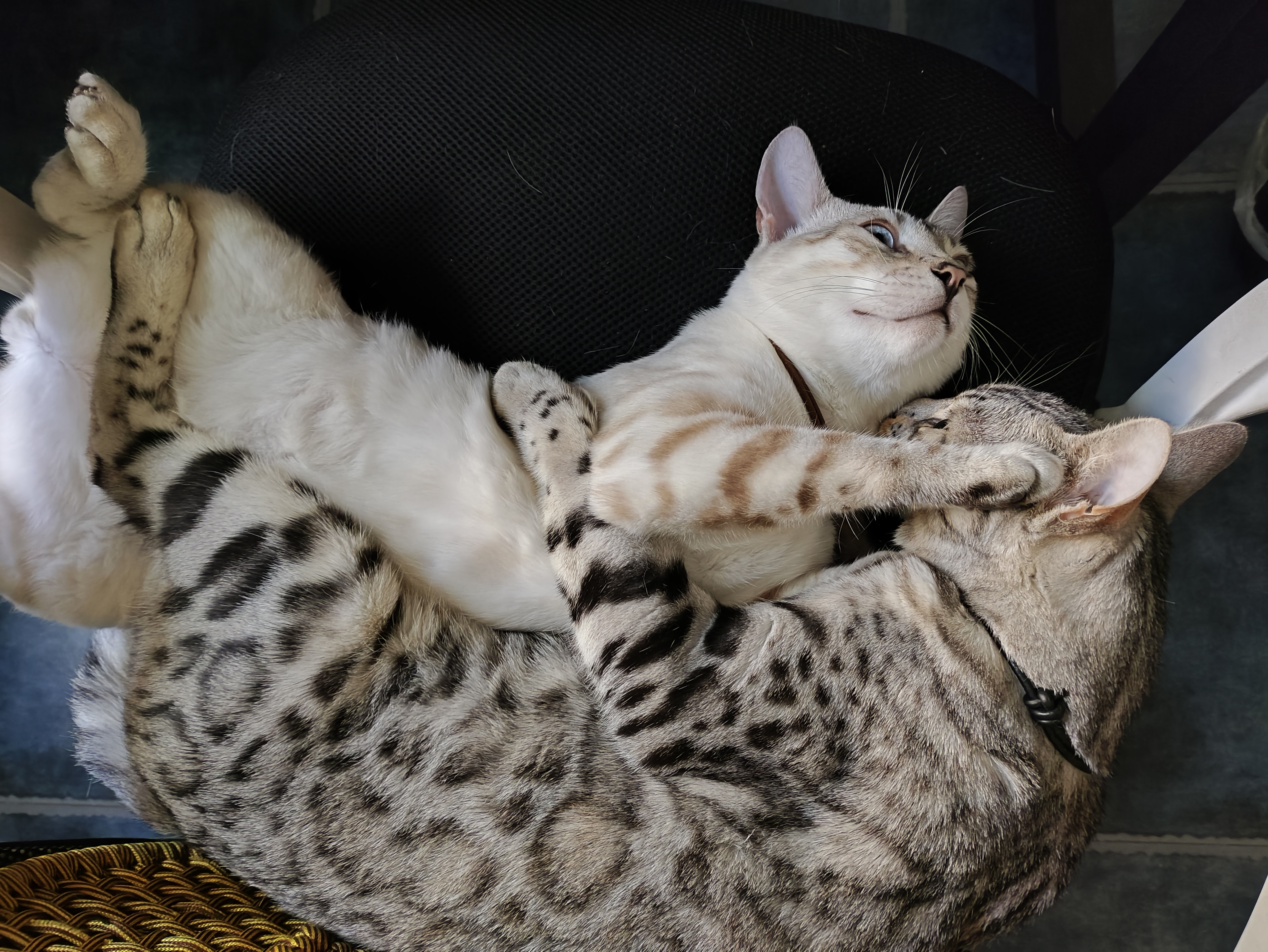
Two Brothers |
Welcome to my website :)
Clicks:
|
© Jinghui Zhang. The source code of this website is base on Jon Barron's website. |